
4 Steps for Developing Your Prospect Profile
October 16, 2026
TL;DR
- Build your prospect profile in 4 steps.
- Be honest with yourself at every step.
- Early questions about references may signal an Early Majority buyer.
- Can't meet a requirement? Say so.
- Buyers are checking. Most want proof.
- Free template: theconscientiouscapitalist.com/resources
Some buyers like being first. Others want to know who else is already using what you sell.
A thorough and honestly developed prospect profile helps you to tell the difference and how to answer the tough questions you can expect from most buyers.
How I coach founders to be ready is to build their prospect profile and value map with a 4-step process.
1. The Target Audience
Start top-down with the basics: industry, revenues, and employee size.
You're doing this for your beachhead market. That's the sub-segment of your SOM you're going after first.
2. Other General Characteristics of Good Prospects
These are the details of how your best prospects operate, the markets they serve, and how they serve them.
You're looking for healthy alignment to the problems they likely have and that you can solve.
3. Recognizing Prospect Types
A prospect is ultimately a person, with their own interests, desires, and appetite for risk.
Geoffrey Moore's definitions of Innovators, Early Adopters, Early Majority, Late Majority, and Laggards have served me well. Regardless of what you call them and even what you sell, every market has some version of these. It's important that you define these personas relative to your business.
4. Mapping Your Benefits to the Prospect Types
Once you've defined Prospect Types, you need to match each benefit you can deliver to the buyer type who'll value it most. Doing this helps you to develop and ask questions that draw their attention to your differentiators and the value you can deliver.
Different buyer types make decisions differently.
However you choose to define your ICPs, buyer types, and value, be honest and candid with yourself. You'll need both qualities every step of the way. They're vital to building trust and credibility as you and your sales reps prospect, qualify, and win new customers.
It's also how you'll preserve your precious resources of time, energy, and money for your best prospects.
You'll start to get some idea of the buyer persona by the questions they ask and when they ask them. A prime example is when they ask, "Who else is using this?" or "Can you send me three references to talk with?"
If those are the kind of questions that come early, you may be talking with an Early Majority buyer. The moment of truth comes with how you decide to answer. The risk you run with side-stepping it or making promises you can't keep is eroding their trust before you've had much opportunity to earn it.
Founders tend to see those as tough questions if they haven't done the candid assessment and value mapping for different buyer types in advance. You need to know how you're going to answer and what you're prepared to do based on how the prospect responds before you hear the question.
My advice is to be honest. If you don't yet have any customers, say so. You're looking for Innovators, not Early Majority buyers. If you have customers that aren't in their same industry, say so. In either case, ask how important references will be to their decision.
If they're still willing to talk, then you can begin to apply the value map you created in order to ask questions that draw their attention to how much you understand their problems, how you differentiate in your approach to solving them, and how important THAT is to their decision-making.
Forrester's 2026 research on business buying reports business buyers as risk-averse and buying processes aren't forgiving of claims without proof. More than 60% of business buyers reported purchasing some form of trial before committing. That's them verifying your claims.
I read that 60% as confirming the broad reality that most buyers are not Innovators (2.5%) or Early Adopters (13.5%) but are Early Majority (34%) and Late Majority (34%) buyers. Those percentages come from Moore and will vary to some degree depending on the markets you target, your goods and services, and the problems you solve, but it's not likely to diverge by much.
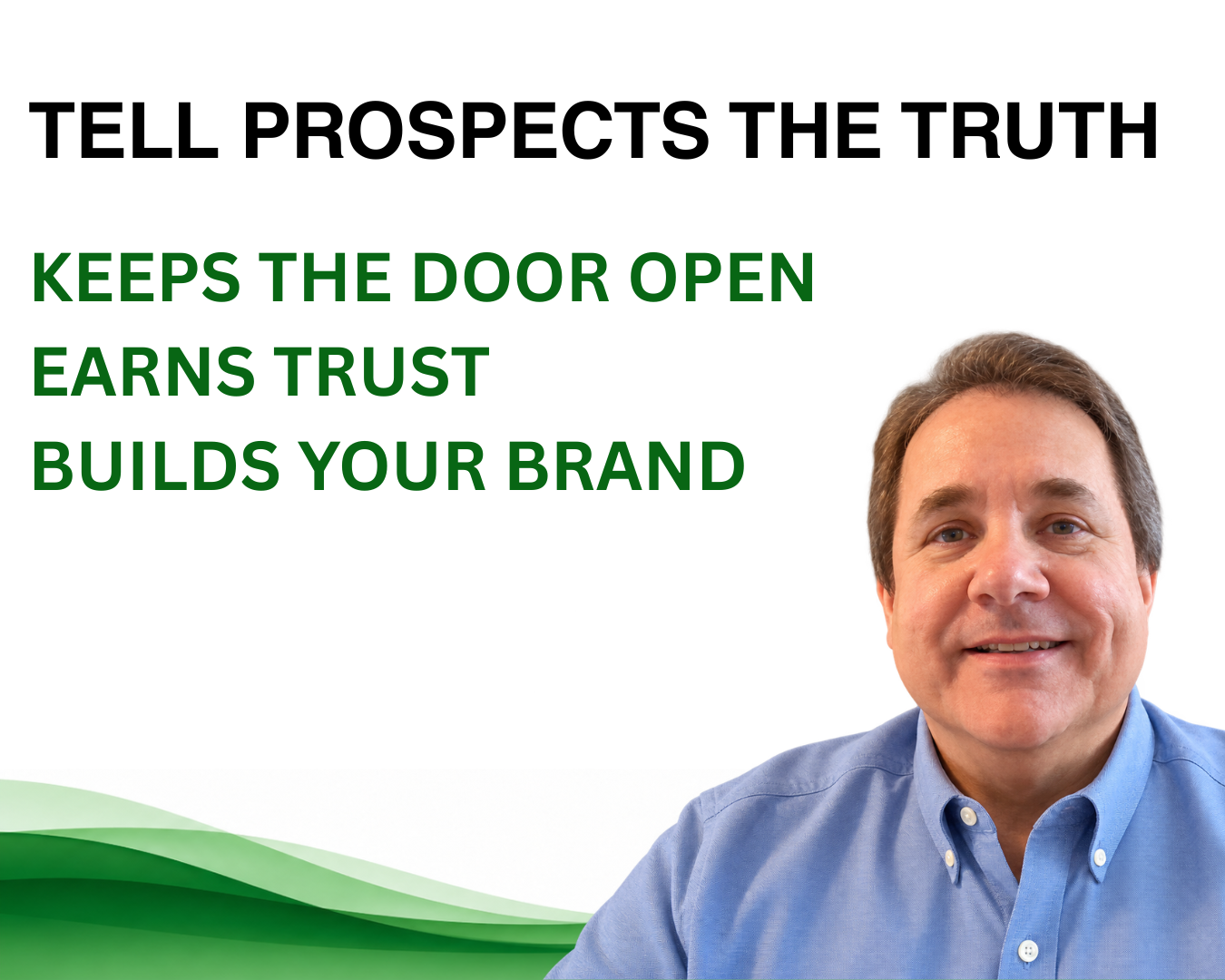
That's why it's so important to be honest and candid first with yourself when developing your ICPs, buyer personas, and your value map. You then need to be honest with your prospects. The cautious buyer who isn't ready today might be ready later when you can satisfy more of their buying requirements, including references. Telling them the truth is the best way to keep that door open.
If you need help developing your ICPs, buyers, and value map, download my Prospect Profile & Value Mapping template. It's one of the free resources at theconscientiouscapitalist.com/resources. Get in touch if you need help with it.
Want to discuss this further?
Book a free discovery call and let's talk through what's relevant to your business.
Book a Discovery Call